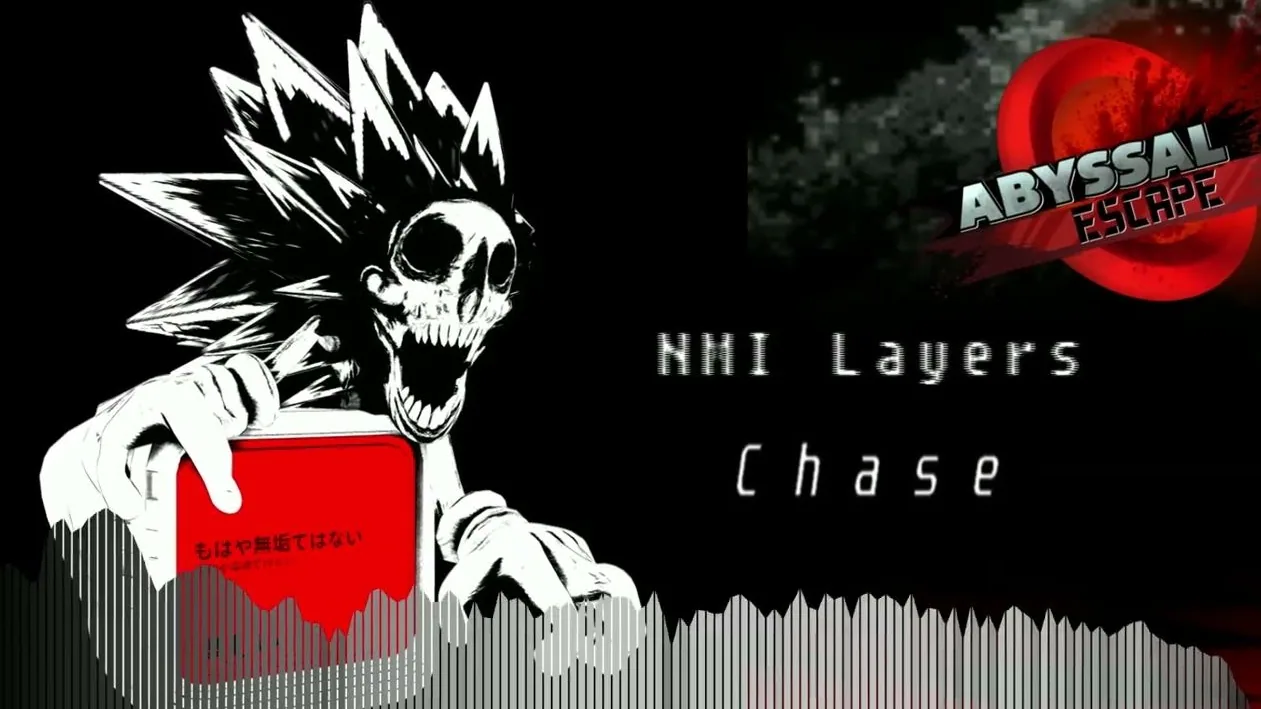
Abyssal Escape No More Innocence Guide: TVs to Yokai Form
Abyssal Escape No More Innocence guide: screen transportation, deceit and hallucination in phases 1-2, then the Yokai transformation with tormenting dash and yokai sight.
No More Innocence — usually shortened to NMI — is Abyssal Escape's deceiver. In phases 1 and 2 it barely plays like a normal killer: it moves through televisions, spawns clones of survivors, and blacks out their vision. Then phase 3 arrives and the entire kit is replaced by a melee set that plays nothing like the first half of the match.
The map-wide passive
NMI has a permanent passive that greys out and desaturates the entire map for everyone in the lobby. It is the easiest way to confirm what you are facing: if the colour drains out of the level, NMI is in the match.
Beyond the aesthetic, that desaturation is a tell. Survivors lose colour cues they normally rely on for orientation, which is part of why NMI lands so many sneak attacks.

Phases 1 and 2: the TV kit
Screen transportation
NMI travels between screens. Aim at a television and activate to move into it, and then press other TVs to hop across the map. While travelling, all players are indicated, making this the strongest tracking tool in the first two phases.
The detail that matters: if you activate the ability again without your cursor on a TV, NMI crawls out of the current television with a full animation. Survivors can see you coming, so timing matters — but you get a small speed boost on exit to catch up.
Deceit
Hover your cursor over a survivor and activate. NMI spawns a clone of a random survivor near the target. If that clone ends up close to a survivor, the survivor is indicated and NMI can teleport into the clone's position.
This is the anti-grouping tool. It punishes teams that heal or repair shoulder-to-shoulder, because a clone landing next to two survivors gives NMI a free teleport into the middle of them.
Hallucination
NMI darkens the POV of nearby survivors and spawns hallucination copies of himself that run around the player. The real NMI can then approach while the survivor is trying to work out which figure is genuine.
Hallucination is best used to cover an approach, not to deal damage. It buys seconds, and seconds are what set up the teleport or the crawl-out.
Phase 3: the Yokai transformation
The transformation removes the televisions from the map entirely, so screen transportation is gone for the rest of the match. In exchange NMI gets a straight melee kit.
| Ability | Effect |
|---|---|
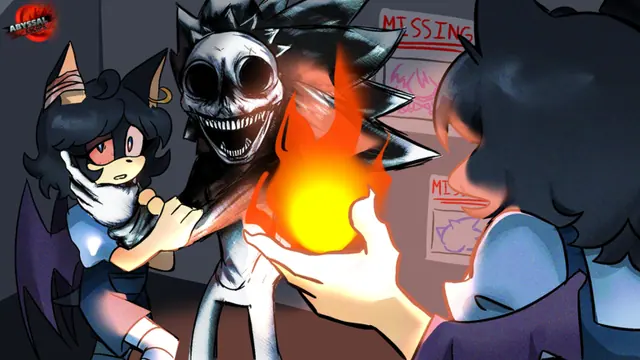
| Tormenting dash | Dashes into a survivor, grabs them and slams them into the ground for 30 damage |
| Spring trickery | Places a fake spring that slows anyone who runs into it for a few seconds |
| Yokai sight | Slams the ground, marking nearby survivors; marked survivors can be teleported to |
Tormenting dash is the reliable damage: 30 damage, automatic shift-lock, no aiming required. Spring trickery is the chase tool and can be placed mid-chase to cut off a loop the survivor is about to take. Yokai sight is the finisher — tag someone with the mark and you can teleport onto them from anywhere, which removes the escape routes the TVs used to cover.
Playing the transition
The trap with NMI is that the first two phases teach you one rhythm and then take it away.
- Before phase 3, spend your time travelling and marking. Every TV you use reveals the whole lobby, so you should almost always know where all seven survivors are.
- The moment the TVs vanish, stop hunting across the map. You have no teleport network anymore — play tight, use spring trickery to shorten loops, and let survivors come to the objective.
- Yokai sight is not a chasing tool. Mark early, then teleport when the survivor commits to a direction you could not otherwise reach.
Is NMI worth unlocking?
It is the most technical killer on the roster and the least forgiving if you dislike relearning inputs. The reward is map-wide information for two full phases — you will know where every survivor is for most of the match, which is something no other killer can claim.
If you prefer a single consistent kit, take Fleetway instead. If you want variety and do not mind the switch, NMI is the most interesting design in the game.
For the full roster and phase rules, see our Abyssal Escape killers overview.
FAQ
Does NMI keep its TVs after transforming?
No. Phase 3 removes the televisions from the map, so screen transportation is unavailable for the rest of the match.
How much does tormenting dash do?
30 damage, applied by grabbing the survivor and slamming them into the ground.
What is yokai sight for?
It marks nearby survivors with a ground slam. While the mark is active, clicking the marked survivor teleports NMI directly to them.
Related Guides

Abyssal Escape 2011X Skin: Chase Theme, Layers & What It Does
The Abyssal Escape 2011X skin is one of X's three cosmetics, with its own chase theme and layers. What changes, what does not, and why videos list it as a killer.
Abyssal Escape 2017X Guide: Base Form, Broken Face & Combos
Full Abyssal Escape 2017X guide: top speed, spin dash and obsession in base form, then the Broken Face transformation with roar, savage jump and vicious grab.
Abyssal Escape Deity Explained: Who It Is & Full X Killer Kit
The Deity in Abyssal Escape is X, the free starter killer. Full kit breakdown: hide and seek, ring trap and peekaboo, with real damage values and when to use each.
Abyssal Escape Fleetway Guide: Flight, Laser & Grab Combos
How Fleetway Super Sonic plays in Abyssal Escape: flight slam, long-range laser and the grab-and-drag combo, plus the phase 3 speed buff and counterplay for survivors.
Next Steps
The Ultimate Abyssal Escape Beginner Guide: Survival Tips & Objectives
Master Roblox's asymmetrical horror game with this essential abyssal escape beginner guide. Learn red mist objectives, killer phases, and survival tactics.
Abyssal Escape Tier List: All 5 Killers Ranked S to B
Abyssal Escape tier list for the playtest roster: Fleetway and Furnace at S, 2017X and NMI at A, X at B, with the reasoning behind every placement.